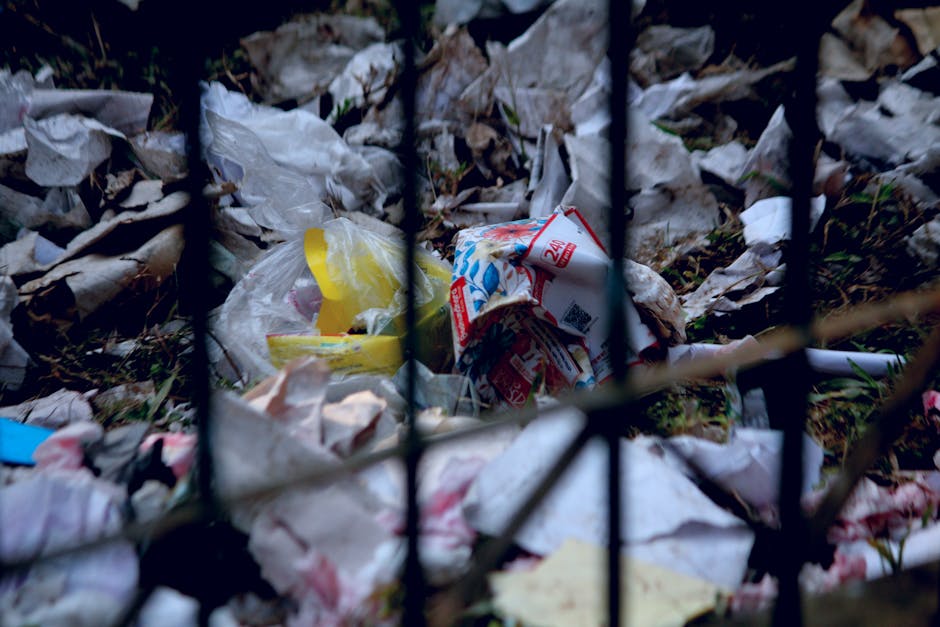
Avoid fines Haringey council waste regulations explained
Posted on 12/09/2026
Avoid fines Haringey council waste regulations explained: a practical guide to staying compliant
If you are trying to avoid fines Haringey council waste regulations explained in plain English, you are in the right place. Waste rules can feel oddly unforgiving: one bag left out too early, one unlicensed collector, one skip filled with the wrong material, and suddenly a simple clear-out becomes a headache. To be fair, most people are not trying to break rules. They just want the rubbish gone without drama.
This guide breaks down what matters, why Haringey's waste expectations matter, how to stay on the right side of them, and which mistakes tend to catch people out. You will also find a checklist, a comparison table, and a few real-world examples so the advice feels usable on a busy Tuesday morning, not just neat on paper.
For readers planning a bigger clear-out, it may also help to look at our services overview and the page on waste carrier licence and compliance so you know what to expect from a legitimate operator.
Why Avoid fines Haringey council waste regulations explained Matters
Waste fines are rarely about a single giant mistake. More often, they happen because a few small missteps stack up: incorrect presentation, missed collection times, fly-tipping by an uninsured person, or putting commercial waste in the wrong stream. In a busy borough like Haringey, the difference between "sorted" and "fine risk" can be surprisingly thin.
There is also a wider issue of neighbourhood standards. Overflowing sacks on the pavement, broken furniture dumped beside bins, and builders' rubble left where it can blow about in the wind create problems for everyone. It affects street appearance, safety, pests, and access for pedestrians, prams, and wheelchair users. You notice it more on wet evenings, when a cluttered pavement feels even tighter than usual.
Understanding the rules is not just about avoiding penalties. It is about making sure your waste is collected, moved, and processed in a lawful way. If you are arranging a house clear-out, a tenancy turnover, or a commercial disposal job, a little care upfront can save a lot of hassle later.
And yes, fines can be stressful. Nobody wants a letter arriving after a clear-out that should have been straightforward. The good news? Most issues are preventable once you know the basic expectations.
How Avoid fines Haringey council waste regulations explained Works
At a practical level, Haringey waste compliance comes down to four things: what you are throwing away, how it is stored or presented, who is collecting it, and where it ends up. If any of those pieces are wrong, the risk of a penalty rises.
1) Classify the waste properly
Most household waste is straightforward, but some items need extra care. Mattresses, fridges, freezers, paint tins, electricals, garden cuttings, soil, plasterboard, and mixed builders' waste all behave differently in disposal terms. A sofa is not the same as a sack of soil, and neither is handled the same way as office waste.
2) Store it safely and sensibly
Waste left on the public highway, blocking shared access, or leaking from torn bags can trigger complaints or enforcement. In flats and terraces, this is often where problems start. A bag perched in the wrong place may be ignored for a while, then suddenly become a notice issue if it obstructs access or attracts pests.
3) Use a legitimate carrier
If you hand rubbish to someone without the right permissions, you may still be responsible if it is later dumped illegally. That is why due diligence matters. A proper waste carrier should be transparent about collection, sorting, transfer, and disposal arrangements. If you are unsure, the page on waste carrier licence and compliance is a useful place to start.
4) Keep the paperwork and proof
For commercial jobs especially, you should keep records of what was collected, when, and by whom. It sounds boring. It is boring. But when a landlord, managing agent, or council officer asks questions, boring paperwork becomes very helpful very quickly.
In a typical domestic clear-out, the practical flow is simple: sort, separate, photograph if needed, book the right collection, and make sure nothing is abandoned on the pavement overnight. For commercial waste, you need a stricter process, especially if you produce waste regularly.
Key Benefits and Practical Advantages
Complying with Haringey's waste expectations is not only about avoiding penalties. It creates a much smoother process from start to finish.
- Less risk of fines or complaints: You reduce the chance of enforcement action linked to fly-tipping, obstruction, or improper disposal.
- Cleaner, safer premises: This matters in homes, shops, offices, and rental properties alike.
- Better recycling outcomes: Separating waste correctly improves the chances of reuse and recycling where appropriate.
- Less stress during moves and refurbishments: A clean site is easier to hand over, inspect, or photograph.
- Stronger trust with tenants, neighbours, and clients: Especially important for landlords and businesses.
There is also a very practical benefit that people sometimes overlook: you save time. If you sort the waste correctly the first time, you do not need a second collection because something was rejected, and you do not end up moving the same pile twice. That alone can be worth the effort.
For those who want a more sustainability-led approach, our recycling and sustainability page explains how responsible disposal aligns with a cleaner borough and better material recovery.
Who This Is For and When It Makes Sense
This guidance is useful for just about anyone dealing with waste in Haringey, but some people need it more urgently than others.
Homeowners and tenants
If you are having a clear-out, replacing furniture, or dealing with post-move leftovers, the risk is usually around bulky items, mixed bags, and timing. You may not mean to leave things out too early, but a hallway full of cast-offs can become a problem fast.
Landlords and letting agents
End-of-tenancy waste is a common pain point. You may find abandoned furniture, broken small appliances, leftover paint, or half-filled bin bags shoved into a corner. A quick response matters here, especially if a new tenant is due in. Our house clearance Haringey page may be useful if you are dealing with a fuller property clearance.
Businesses and offices
Commercial waste has its own expectations. Cardboard, packaging, confidential material, food waste, and bulky office items should be handled with a clear process. If you are a shop, cafe, salon, or office, take a look at commercial waste removal Haringey for a more tailored route.
Builders and trades
Renovation waste is where fines and mistakes often creep in. Bricks, plasterboard, timber, tiles, old fixtures, and mixed debris need proper handling. Sites get busy; people rush; waste is pushed to one side and forgotten. Happens all the time. Our builders waste removal Haringey page may help if you are managing a project.
People clearing awkward items
Large sofas, wardrobes, fridges, washing machines, and beds are not the sort of things you want hanging about at the end of a narrow street. For these, specialist collection helps keep the process neat and lawful. See furniture removal Haringey and white goods and appliance disposal Haringey.
Step-by-Step Guidance
If you want a simple route to compliance, use this process. It works well for both domestic and small commercial jobs.
- Identify the waste type. Separate general rubbish, recyclables, garden waste, electrical items, and heavy construction material.
- Check whether anything needs special handling. Electronics, appliances, plasterboard, chemicals, paint, and sharp or broken items deserve extra care.
- Choose the right collection method. A small bin load, a bulky item pickup, a full clearance, or a commercial collection are all different jobs.
- Confirm the collector is legitimate. Ask about licensing, insurance, and disposal arrangements. If that feels awkward, it is still worth asking. Better awkward than fined.
- Set a proper collection time. Avoid leaving waste on pavements or in communal areas any longer than necessary.
- Keep access clear. This matters a lot in flats, basement entrances, shared courtyards, and busy streets.
- Ask for proof where relevant. For business waste, keep transfer notes or written confirmation as appropriate.
- Review what was removed. If something should have been separated, catch it before the next load.
A small but useful habit: take a quick photo before and after a collection. It sounds fussy, yet it helps if you need to show a landlord, building manager, or client that the area was left tidy.
Expert Tips for Better Results
The best compliance habits are rarely dramatic. They are small, repeatable, and a bit dull. That is usually a good sign.
- Book collections before the pile becomes urgent. Last-minute panic leads to poor sorting and rushed decisions.
- Separate waste by material where you can. Clean cardboard, green waste, metal, wood, and mixed junk should not all be mashed together unless the collection method allows it.
- Be careful with "someone can take it" offers. If a person is vague about where the waste will go, walk away.
- Use a provider with safety and insurance information visible. That tells you they think beyond the job itself. You can read more on our insurance and safety page.
- For landlords, build waste checks into your checkout routine. It avoids last-minute scrambles between tenancies.
- For shops and offices, train staff lightly but clearly. A simple "what goes where" guide can prevent repeated mistakes.
One more thing: not every collection needs to be treated like a major project. Sometimes it is just two broken chairs and a stack of packaging. Still, doing the basics properly keeps small jobs from becoming annoying ones. And nobody needs extra annoyance.

Common Mistakes to Avoid
Most waste fines and compliance headaches come from familiar mistakes. The good news is that they are all avoidable, even on a rushed day.
Leaving waste out too early
In shared residential settings, this is one of the easiest ways to create trouble. A tidy stack at 8 pm can become a mess by morning, especially if rain, foxes, or passers-by get involved.
Using an unlicensed collector
This is a major risk. If waste is tipped illegally after collection, the original producer can still face consequences. That is why checking credentials is not optional.
Mixing hazardous and non-hazardous waste
Paint, oils, batteries, and some cleaning products should not be thrown in with ordinary rubbish. Even if they seem harmless in small amounts, they can still create a problem in transport or processing.
Overfilling bags and containers
Overstuffed bags split. Boxes collapse. Loose debris escapes. Then you are tidying the pavement while muttering under your breath. Not ideal.
Assuming "general rubbish" covers everything
It does not. Sofas, appliances, and builders' rubble often need specific arrangements. If in doubt, check before booking rather than after the van has arrived.
Ignoring access and parking issues
Haringey streets can be tight, especially around flats and busier roads. If a collection vehicle cannot stop safely or access the waste, delays happen. That is why planning matters, particularly for properties with stairs, narrow hallways, or limited parking. For a more practical look at these situations, you may find delays and access issues for rubbish removal flats Wood Green Haringey helpful.
Tools, Resources and Recommendations
You do not need fancy software or complicated systems. A few simple tools go a long way.
- Labelled boxes or sacks: Useful for separating mixed household items before collection.
- Basic camera photos: Handy for proving condition before and after a clearance.
- A simple waste log: Especially useful for landlords and businesses.
- Room-by-room sorting: A much calmer method than dragging everything into one corridor and hoping for the best.
- Service pages with clear scope: They help you choose the right collection type the first time.
For garden-related waste, the local rules and practical considerations can be a bit different, especially during spring and summer when hedge cuttings, soil, and branches mount up fast. If that is your situation, our garden waste removal Haringey page and the related post on Haringey council rules for garden waste and rubbish disposal are worth a look.
And if you are trying to keep costs sensible as well as compliant, it may be useful to read pricing and quotes before you book. Hidden extras are rarely anyone's favourite surprise.
Law, Compliance, Standards, or Best Practice
Waste handling in the UK sits within a broader legal and environmental framework, and Haringey's local expectations sit on top of that. The exact details can vary depending on the type of waste, who created it, and who removes it, so it is sensible to be cautious rather than assume.
As a general rule, you should:
- use a legitimate waste carrier for removals,
- ensure waste is not left to obstruct public space,
- keep business waste records where needed,
- separate materials responsibly where practical,
- avoid passing waste to anyone who cannot explain where it will go.
For commercial premises, the expectation is usually higher because you are producing waste as part of trading activity. For households, the process is simpler, but responsibility still matters. If a skipped load is later fly-tipped, the chain of responsibility can become a serious issue.
Best practice is straightforward: work with a provider that is transparent about disposal, insurance, and process, and make sure your own sorting and storage habits do not create avoidable risk. If you want to understand the operational side in more detail, the pages on about us and terms and conditions can give useful context about how a professional service sets expectations.
Options, Methods, or Comparison Table
Different waste situations call for different methods. Choosing the wrong one is a classic way to waste time or, worse, create a compliance issue.
| Option | Best for | Pros | Watch out for |
|---|---|---|---|
| Council-style domestic disposal | Small everyday household waste | Simple for routine disposal | Not ideal for bulky or mixed loads |
| Bulky item collection | Sofas, beds, appliances, single large items | Convenient and direct | Needs correct item preparation and access |
| Full house clearance | Moves, bereavement, void properties, inherited homes | Efficient for larger volumes | Needs careful sorting and a trustworthy carrier |
| Garden waste removal | Green waste, branches, soil, cuttings | Cleaner than piling into general waste | Heavier loads may need different handling |
| Builders waste removal | Refurbs, strips-outs, DIY debris | Suitable for mixed site waste | Plasterboard, sharp materials, and heavy rubble need care |
In practice, the right choice depends on volume, access, and the mix of materials. A small flat clearance after a move is not the same as a shop refit or a garden overhaul. If you are not sure, ask before the pile grows. That sounds obvious, but people skip it all the time.
Case Study or Real-World Example
Imagine a couple in a Wood Green flat clearing out after a move. They have a broken wardrobe, two mattresses, several bags of mixed rubbish, a kitchen bin full of packaging, and an old washing machine that no one wants to wrestle down the stairs. They need the place empty by the end of the afternoon because the handover is next morning.
What goes wrong in situations like this? Usually one of three things: waste gets left in the communal hallway "just for now", the appliance is booked with the wrong kind of collection, or the disposal person turns up without enough information about access. Then everyone starts improvising, which is always a little messy.
What works better? Sort the items first, confirm access details, choose a proper collection for bulky items and electricals, and make sure the carrier can handle mixed residential waste legally. A quick chat before booking would have saved time, probably an awkward stairwell moment too.
We see similar patterns around narrow streets near busy roads, and in flats where lift access is limited or awkward. If that sounds familiar, the article on same day rubbish removal N17 High Road Tottenham Haringey offers a useful sense of how fast-moving jobs still need proper planning.
Practical Checklist
Use this checklist before you put anything out or book a collection.
- Have I identified every waste type correctly?
- Have I separated recyclables, electricals, garden waste, and general rubbish?
- Does any item need special handling or extra care?
- Is the collection provider legitimate, insured, and transparent?
- Do I know where the waste will go after collection?
- Will anything be left on the pavement or in shared access areas?
- Have I checked access, parking, stairs, and timing?
- Do I need records or proof of disposal?
- Have I compared the option against a more suitable service?
- Have I reviewed pricing to avoid unexpected costs?
If you can tick all of those, you are in a far better place than most people starting out with a pile of rubbish and a deadline. Honestly, that is half the battle.
Get a free quote today and see how much you can save.
Conclusion
The simplest way to avoid fines in Haringey is to treat waste as something that deserves a plan, not a last-minute dump-and-hope task. Sort it properly, use the right collection method, keep access clear, and only hand waste to a legitimate carrier. That basic discipline protects you from most of the common problems.
Whether you are clearing a flat, preparing a rental, handling shop waste, or tidying up after renovation, the same principle holds: a bit of order now saves a lot of trouble later. And once you have done it properly once, it gets easier the next time. Much easier.
If you want a more confident start, browse the relevant service pages, read the compliance guidance, and choose the approach that fits the job rather than the one that merely looks quickest. A quiet, tidy finish is always nicer than a rushed one.
That is really the aim here: less stress, fewer mistakes, and a cleaner result you do not have to second-guess later.