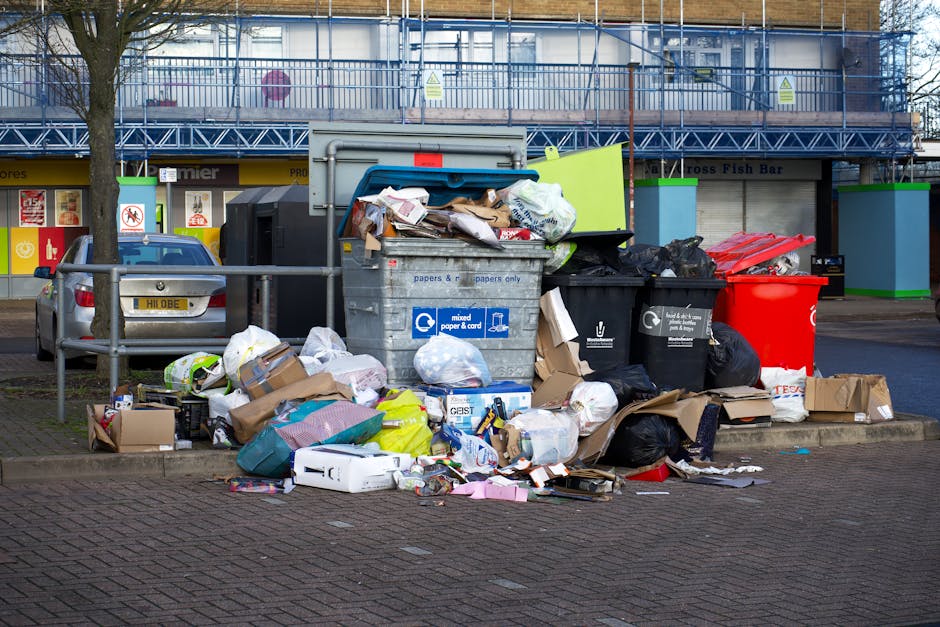
Common problems with bulky rubbish collection Broadwater Farm
Posted on 26/06/2026
If you live, manage a property, or run a small business around Broadwater Farm, bulky waste can become awkward fast. A sofa that looked manageable in the flat suddenly feels impossible on the stairwell. A mattress left in the wrong place can block access. And if collection day goes sideways, you are stuck staring at clutter that should have gone hours ago. This guide looks at the common problems with bulky rubbish collection Broadwater Farm and, more importantly, what usually helps in the real world.
Broadwater Farm has its own rhythm, and that matters. Access can be tight, loading can be fiddly, and bulky items are rarely as simple as "put it outside and wait". Below, you will find a practical, local-minded breakdown of why these collections go wrong, how the process works, what to check before you book, and where people often trip themselves up. A lot of it is common sense, truth be told, but the devil is in the detail.

Why Common problems with bulky rubbish collection Broadwater Farm Matters
Bulky rubbish is not just "more rubbish". It is often heavier, harder to move, more awkward to sort, and more likely to cause delays if the collection plan is vague. In a place like Broadwater Farm, those small issues can multiply. A blocked walkway, a lift that is too small for a wardrobe, or a missed handover can turn a simple clear-out into a frustrating half-day.
Why does this matter so much? Because bulky waste tends to pile up at the worst possible time. After a move, a refurb, a new tenancy, or a house clearance, you are usually already juggling a lot. If the collection fails, the mess stays visible, the pressure rises, and the space feels smaller. Not ideal.
There is also the matter of safety and compliance. Bulky items can contain sharp edges, broken fittings, and materials that need separating. An old fridge is not the same as a broken chair. A pile of building offcuts is not the same as a few bits of furniture. Understanding the difference helps avoid unnecessary calls, surprise charges, and, sometimes, accidental fly-tipping.
For residents and landlords in the area, the biggest frustration is often not the removal itself. It is the uncertainty: will the team arrive when they say they will, can they actually get the item out, and what happens if access is trickier than expected? Those are the problems worth solving first.
How Common problems with bulky rubbish collection Broadwater Farm Works
At a basic level, bulky rubbish collection is straightforward. You identify the items, get a quote, book a time, and have the waste removed for reuse, recycling, or disposal. In practice, though, the process depends on access, item type, weight, volume, and whether the waste needs special handling.
Here is where problems tend to appear:
- Access - stairs, narrow corridors, shared entrances, or parking constraints can slow everything down.
- Item type - furniture, white goods, garden waste, and builder debris all require different handling.
- Volume - one mattress is easy; a full flat clearance is a different job entirely.
- Condition - broken items may need careful lifting to avoid injury or damage.
- Timing - collections often fail because the items are not ready when the crew arrives.
Most reliable rubbish removal work starts with a clear description. In many cases, you will be asked to list what needs collecting and explain where it is located. That is not admin for the sake of it. It is what prevents a crew turning up to find a sofa wedged behind other furniture, or a pile of rubble mixed in with household waste.
If you want a wider view of what is usually covered by removal services, the services overview is a useful starting point. For household jobs specifically, domestic waste collection in Haringey gives a clearer sense of what falls into a typical domestic job.
A small but important point: bulky rubbish collection is often best treated as a logistics task, not just a disposal task. If you plan the route, the lift access, and the item order before collection day, you avoid a lot of grief. Simple, but easy to overlook when you are in a rush.
Key Benefits and Practical Advantages
When bulky waste is handled properly, the upside is not only a tidier space. The real benefit is smoother movement through your home or building, less stress on the day, and fewer problems later on. That sounds obvious, but people usually notice it only after the clutter is gone and the place finally breathes again.
- Faster clear-outs - you do not spend all weekend trying to move a wardrobe in pieces.
- Reduced risk of injury - heavy lifting is less risky when it is managed by people used to it.
- Cleaner shared spaces - useful in communal blocks where waste left outside can cause friction.
- Better recycling outcomes - suitable items can be separated instead of dumped together.
- Less chance of mistakes - especially when you are dealing with mixed waste or awkward furniture.
For landlords, letting agents, and managing agents, the practical advantage is speed. Void periods can drag if bulky waste sits in the property. For homeowners, it is usually about getting a room back. For tradespeople, it is about site clarity and reducing trip hazards. Different needs, same principle: remove the obstacle, restore the space.
There is also reassurance in using a service that is transparent about standards. If you are checking whether a provider handles waste responsibly, it is sensible to read about their waste carrier licence and compliance and their approach to recycling and sustainability. That does not solve every bulky waste headache, but it does help you choose better.
Who This Is For and When It Makes Sense
This topic matters to a fairly wide group of people. If you are wondering whether your situation counts as a bulky rubbish job, it probably does if the item is too large for normal bins, too heavy to shift easily, or too awkward to break down safely.
Typical users include:
- Residents clearing out old furniture or appliances
- Families after a move or bereavement clearance
- Landlords preparing a flat between tenancies
- Tradespeople dealing with renovation waste
- Small businesses removing office furniture or stock room clutter
- Gardeners and DIYers with oversized offcuts or soil-filled waste
It makes sense to arrange collection when waste is blocking usable space, becoming a hazard, or simply too much to manage alone. If it is a single light item, you may not need a specialist visit. But once you hit a sofa, wardrobe, chest freezer, or mixed clear-out, the practicalities change quickly.
Broadwater Farm can present the kind of access issues that make "I'll sort it later" a poor strategy. Later becomes two weeks, then a complaint, then a rushed booking. We have all seen that film before. It rarely ends with everyone relaxed.
Step-by-Step Guidance
If you want the collection to go smoothly, treat it like a short project. Nothing fancy. Just a few sensible steps in the right order.
- Identify everything you want removed. Walk through the space and list each item. Do not guess from memory.
- Separate what stays. If there is any doubt, move keepers into another room or clearly mark them.
- Check access. Measure doorways, note stairs, and think about parking or loading space.
- Describe the waste honestly. Say whether it is furniture, appliances, garden waste, builders' waste, or a mix.
- Ask how the collection is priced. Volume, weight, labour, and access can all affect the final quote. See pricing and quotes for a useful overview of what influences costs.
- Choose a suitable time slot. If you need items out before a move, school run, delivery, or inspection, plan backwards.
- Prepare the route. Clear hallways, move parked cars if relevant, and make sure the crew can reach the items safely.
- Confirm any special items. White goods, mattresses, and builder debris may need different handling.
- Check the final scope before collection starts. A five-second conversation can avoid a long argument later. Worth it.
- Get a receipt or written confirmation if offered. It helps if you need a record for tenancy, property management, or business compliance.
If you need help with particularly awkward pieces, furniture removal in Haringey and white goods and appliance disposal are both relevant services to explore. For mixed jobs involving rubble, old fixtures, or renovation debris, builders waste removal is often the better fit.
Expert Tips for Better Results
A good bulky waste booking is usually won before the team arrives. That sounds a bit dramatic, but it is true. The cleaner the prep, the better the day goes.
- Photograph the items in place. A quick photo helps clarify what the job really involves.
- Measure the widest item first. If the biggest sofa cannot pass the doorway, you need to know early.
- Keep mixed waste separate where possible. It makes sorting easier and can improve recycling outcomes.
- Be realistic about weight. A bulky item can still be extremely heavy.
- Think about break-down options. Some furniture can be dismantled safely before collection. Some really should not be, because of sharp fixings or hidden damage.
- Ask about safety procedures. The best teams plan lifting, load order, and route protection before they touch the first item.
A small local observation: the jobs that go best are often the ones where the customer has spent ten minutes clearing the path. Not glamorous. Very effective.
If your concern is whether the collection will be handled responsibly, reading about insurance and safety can be reassuring. And if you want to learn more about the company behind the service, the about us page is worth a glance.

Common Mistakes to Avoid
Most bulky rubbish problems are self-inflicted in small ways. That is not a criticism, just reality. People are busy, and rubbish collection is rarely at the top of anyone's favourite-life-admin list.
- Leaving everything for collection day. If the crew arrives and the items are buried, the job slows down fast.
- Underestimating volume. "Just a few things" can become a van-full once sorted properly.
- Not checking access. A locked gate, blocked entrance, or parked car can throw off the plan.
- Mixing hazardous or restricted items with general waste. This can create a refusal or a delay.
- Assuming all waste is treated the same. Furniture, appliances, and construction debris often need different handling.
- Choosing purely on price. Cheap is not always bad, but unclear is always bad. Always.
One especially common mistake is forgetting that shared spaces matter. In blocks and communal areas, leaving bulky waste in a corridor "just for a minute" can become someone else's problem very quickly. That is how minor clutter turns into a complaint.
Another one: not asking what happens after collection. If you care about diversion from landfill, or simply want peace of mind, it is reasonable to ask how the waste will be processed. The answer should be clear enough to understand without a lecture.
Tools, Resources and Recommendations
You do not need specialist gear to prepare for bulky rubbish collection, but a few basic tools make life easier.
- Tape measure - to check doors, lifts, and item dimensions
- Phone camera - for quick photos and proof of condition
- Gloves - if you are moving small items yourself
- Marker tape or sticky notes - to label items that stay and items that go
- Notepad or notes app - for listing waste types and collection details
Useful site pages can also help you compare options. For example, if you are dealing with a full property clear-out, house clearance in Haringey may be more suitable than a one-off bulky item pick-up. If you are clearing grass cuttings, branches, or hedge waste, garden waste removal will be more relevant. And for businesses with recurring waste, commercial waste removal may fit better than ad hoc collection.
Sometimes the smartest tool is simply a short checklist. No app, no drama, just a sensible list. Old-school, but it works.
Law, Compliance, Standards and Best Practice
Bulky rubbish removal touches on compliance because waste does not disappear by magic. It has to be collected, transported, and handled by someone who follows the relevant rules and good practice. You do not need to know every technical detail, but you should know enough to ask the right questions.
In the UK, reputable waste carriers should be able to explain their registration and how they deal with the waste they collect. That matters because the person who handed over the waste may still want reassurance that it is not being dumped illegally. A sensible provider should also be able to describe its insurance, safety procedures, and how it manages different waste streams.
Best practice usually includes:
- Clear description of waste before collection
- Transparent pricing and written confirmation where possible
- Safe manual handling and access planning
- Separation of recyclable materials where appropriate
- Proper transport and responsible disposal routes
- Respect for shared buildings, neighbours, and access rules
If you are comparing providers, do not just ask "how much?". Ask how they handle compliance, whether they are insured, and how they treat mixed loads. The terms and conditions can also be useful reading, especially if you want to understand cancellations, scope, or what happens if the job changes on arrival.
For readers who value ethical operations, pages such as modern slavery statement and privacy policy can also help build trust. Not thrilling bedtime reading, granted, but part of a proper due-diligence check.
Options, Methods, or Comparison Table
There are several ways to deal with bulky waste. The best option depends on urgency, access, item size, and whether you want the job handled from start to finish.
| Option | Best for | Pros | Watch-outs |
|---|---|---|---|
| DIY removal | Small number of light items | Low direct cost if you already have transport | Heavy lifting, damage risk, time-consuming, disposal logistics |
| Council bulky waste service | Simple household items, planned clear-outs | Usually straightforward for eligible items | May involve waiting times, item limits, and access rules |
| Private collection service | Urgent jobs, awkward access, mixed waste | Flexible, labour included, often faster | Cost depends on volume and complexity |
| Full clearance service | Emptying a room, flat, or property | Best for large or mixed jobs | Needs good preparation and accurate description |
For many Broadwater Farm households, a private collection is the most practical when access is tight or the job is bigger than expected. For a single item or a simple load, another route may be enough. The key is matching the method to the problem, not forcing the problem into the cheapest box.
Case Study or Real-World Example
Here is a realistic example, based on the kind of situation that comes up all the time.
A resident in Broadwater Farm has just finished redecorating a flat. There is an old sofa bed, two broken bedside tables, a disused chest of drawers, and a boxed-up appliance that no longer works. At first glance it looks like a quick collection. Then the practical issues appear: the corridor is narrow, the lift is shared, and the sofa bed will not fit through the angle without being dismantled.
The first booking attempt stalls because the waste was described too vaguely. "A few bulky things" is not enough when the access is awkward. On the second try, the customer sends photos, notes the floor level, clears the route in advance, and confirms that the sofa bed may need partial dismantling. The collection then goes far more smoothly. Not perfect, just better. Much better.
The lesson is simple: the job was never impossible, only under-specified. That is a huge difference.
In our experience, the biggest time saver is not clever lifting. It is accurate information. Give the collector the facts, and the day usually calms down before it starts.
Practical Checklist
Use this before collection day. It is short for a reason.
- Have I listed every item to be removed?
- Do I know which items stay and which items go?
- Have I checked doors, hallways, lifts, and stairs?
- Have I photographed awkward or damaged items?
- Have I explained whether the waste is furniture, appliances, garden waste, or builders' waste?
- Have I cleared the path to the items?
- Have I confirmed any parking or access issues?
- Do I understand how the job is priced?
- Have I checked the provider's compliance and safety information?
- Am I ready for the crew to arrive without last-minute scrambling?
If you can tick most of those off, your chances of a smooth collection go up a lot. Small thing. Big difference.
Get a free quote today and see how much you can save.
Conclusion
The common problems with bulky rubbish collection Broadwater Farm are usually not mysterious. They tend to come down to access, planning, item mix, and poor communication. Once you understand those pressure points, the whole process becomes easier to manage. You do not need to overthink it; you just need to prepare properly and choose the right kind of help.
If there is one takeaway, it is this: bulky waste is manageable when the details are clear. Measure first, describe honestly, and choose a service that takes safety, compliance, and recycling seriously. That approach saves time, reduces stress, and helps the collection go the way it should.
And when the last awkward item finally disappears, the room feels lighter in a way that is hard to explain. Bit of a relief, really.