DIY skip permits and rubbish collection rules in N22 Haringey
Posted on 22/10/2026
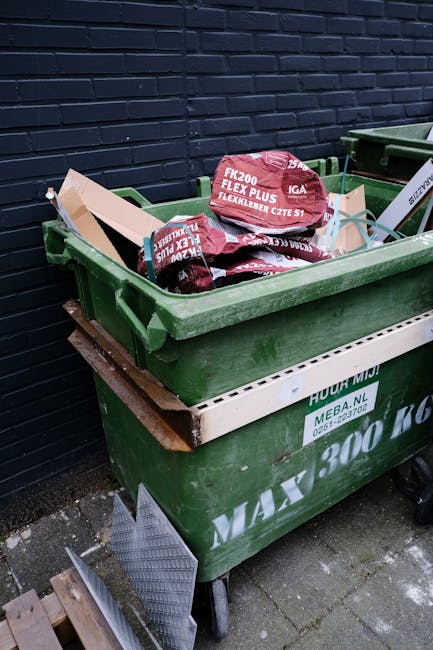
DIY Skip Permits and Rubbish Collection Rules in N22 Haringey
If you are planning a clear-out in N22 Haringey, the waste bit can become the awkward part very quickly. A skip on the road, a pile of old furniture by the kerb, a few builder's bags in the garden, and suddenly you are wondering what needs permission, what can be left out, and what could land you in trouble. This guide to DIY skip permits and rubbish collection rules in N22 Haringey breaks the whole thing down in plain English, with a practical local focus so you can get the job done without guesswork.
Whether you are clearing a flat, tackling a renovation, or sorting a garden after a wet weekend of pruning, the key is the same: know what is allowed, know what needs arranging, and choose the simplest route that still keeps you compliant. Let's face it, no one wants a failed collection or a complaint from the street over a skip that stayed too long.
- Why DIY skip permits and rubbish collection rules in N22 Haringey Matters
- How DIY skip permits and rubbish collection rules in N22 Haringey Works
- Key Benefits and Practical Advantages
- Who This Is For and When It Makes Sense
- Step-by-Step Guidance
- Expert Tips for Better Results
- Common Mistakes to Avoid
- Tools, Resources and Recommendations
- Law, Compliance, Standards, or Best Practice
- Options, Methods, or Comparison Table
- Case Study or Real-World Example
- Practical Checklist
- Conclusion
- Frequently Asked Questions
Why DIY skip permits and rubbish collection rules in N22 Haringey Matters
Skip hire and rubbish collection sound simple until you are standing outside with a pile of waste and no clear plan. In N22, where streets can be busy, parking can be tight, and access is often shared, the rules matter more than people expect. A skip placed on public land usually needs the right permission, and rubbish presented incorrectly can be refused, delayed, or become a nuisance. That is before you even get to contamination issues like putting plasterboard, mattresses, or electrical items into the wrong stream.
Good waste planning protects you in three ways. First, it helps you avoid unnecessary delays. Second, it reduces the risk of extra charges or enforcement issues. Third, it helps keep the street safe and tidy, which is a fair point in any residential part of Haringey. A neat setup also makes life easier for neighbours, delivery drivers, and anyone trying to squeeze a car past a skip that is a bit too casually parked. Been there, seen that, heard the horns.
For many households, the choice is not simply "skip or no skip". It is a question of what size waste job you have, where the waste will sit, and whether you can manage the loading yourself. In that sense, the rules are not paperwork for the sake of it. They are the framework that keeps DIY disposal sensible.
If you are dealing with mixed household waste rather than one-off bulky items, it can also help to think about the wider service picture. Our services overview gives a useful sense of the different collection routes available, while domestic waste collection in Haringey is often the cleaner option for smaller jobs that do not justify a skip at all.
How DIY skip permits and rubbish collection rules in N22 Haringey Works
The basic rule is straightforward: if the skip or waste container sits on private land, the process is usually simpler. If it sits on a public road, you normally need permission arranged before placement. That may be called a skip permit, skip licence, or highway permit depending on the context, but the practical effect is the same: you need approval to occupy the road space.
That public-space issue is the part people often miss. A driveway skip is one thing. A skip on a narrow terraced street, near parked cars, is another. The road situation affects access, visibility, and safety. A permit generally covers the placement period and may also require extra safety measures such as lights, cones, or reflective markings. Exact requirements can vary, so it is worth checking carefully rather than assuming the skip company has handled everything automatically. Some do, some do not, and the fine print matters.
Rubbish collection rules work on a separate but related track. If you are using a mixed waste collection service or arranging bulky item removal, the waste normally needs to be presented in a way that is safe and sortable. That means no dangerous items mixed in, no loose sharps, no liquids, and no hidden nasties wedged into the bottom of a box because you forgot they were there. Truth be told, that happens more often than people admit.
In practical terms, the main things to check are:
- Where the skip or waste will be placed: private land or highway
- Whether a permit is required and who arranges it
- What types of waste are accepted
- How the waste must be separated, if at all
- Whether there are time limits, access restrictions, or loading rules
If your project involves items like wardrobes, sofas, or fridges, the rules become even more important because bulky waste often needs special handling. That is where services such as furniture removal in Haringey and white goods and appliance disposal can save a lot of faff compared with trying to DIY everything into a skip.
Key Benefits and Practical Advantages
Doing the homework properly pays off. A compliant waste plan is not just about avoiding penalties; it often makes the whole project cheaper and smoother than muddling through. Here are the benefits that matter most in real life.
- Fewer delays: you avoid waiting around because a collection could not proceed.
- Less risk of extra costs: permit issues, contamination, and re-delivery fees can all add up.
- Better access and safety: a correctly placed skip or collection point is easier for everyone to live with.
- More efficient sorting: you can separate reusable, recyclable, and residual waste more cleanly.
- Less stress: once the rules are clear, you can get on with the job instead of second-guessing everything.
There is also a practical planning benefit. When you know in advance whether your waste will fit into a skip, whether a permit is needed, or whether a same-day collection is more suitable, you can schedule work in the right order. That matters for house moves, light refurbishments, and garden projects especially. One wrong assumption can turn a tidy Saturday into a muddy, cluttered Sunday.
For bigger domestic clearances, it is often worth comparing DIY skip hire against a managed load-and-clear service. If you need to shift mixed household items, house clearance in Haringey may actually be the more efficient route, especially if stairs, narrow hallways, or parking make manual loading a pain.
Who This Is For and When It Makes Sense
This topic is useful for a wide range of people in N22. Some are planning a quick declutter. Others are knee-deep in a renovation that started with "just a few repairs" and somehow turned into half the plaster coming off the wall. We all know how that goes.
You are likely to need this guidance if you are:
- Clearing out a flat, maisonette, or family home
- Replacing kitchen units, flooring, or bathroom fittings
- Removing garden waste after cutting back hedges, branches, and soil
- Handling bulky items that will not fit in a normal bin collection
- Managing a DIY renovation and need a lawful place for rubble
- Trying to decide whether a skip is worthwhile on a tight street
It makes sense to go DIY when the waste is predictable, the site is easy to access, and you are happy to load the material yourself. It makes less sense when the waste is mixed, heavy, awkward, or spread across different rooms and floors. For example, a terraced property with limited road space might be better served by a scheduled collection rather than a skip that blocks parking and draws attention all week.
If the project leans toward garden work, you may also find it useful to read about garden waste removal in Haringey and the wider guidance in Haringey Council rules for garden waste and rubbish disposal. That is often where people get caught out with green waste mixed into general rubbish.
Step-by-Step Guidance
Here is the simplest way to approach DIY skip permits and rubbish collection rules in N22 Haringey without overcomplicating it.
- Identify the waste type. Is it household rubbish, garden cuttings, builders' rubble, old furniture, white goods, or a mixed load? The answer changes everything.
- Decide where the waste will sit. Private property is usually easier. Public land usually means permit questions.
- Estimate the volume. Try to be realistic. We all overestimate the size of the pile in our head, then the actual pile shows up and says otherwise.
- Check for restricted items. Fridges, TVs, paint, chemicals, plasterboard, mattresses, and electrical items often need separate handling.
- Choose the right route. Skip hire, scheduled collection, one-off bulky item removal, or a specialist disposal service.
- Confirm the permit process. Make sure someone is actually arranging it if the skip goes on the road.
- Prepare access. Leave enough room for loading and collection vehicles, and keep the route free of obstacles.
- Load safely and sensibly. Heavy items should go in first, loose sharp edges should be contained, and nothing should be piled above the rim if the provider says not to.
- Keep records. Save your quote, confirmation, and any disposal details in case you need them later.
For commercial premises or trade work, the process is similar but the compliance burden is usually tighter. If your job involves an office, shop, or worksite in or around N22, then commercial waste removal in Haringey may be a better fit than a DIY skip arrangement, especially where regular loads are involved.
Expert Tips for Better Results
A few small choices can make a big difference. In our experience, the smoothest waste jobs are the ones where the planner thinks two steps ahead rather than waiting for the rubbish to tell them what to do.
- Sort before you load: keep recyclables, bulky items, and general waste separate where possible. It saves time and reduces contamination.
- Check doorway widths and stair turns: especially in older Haringey properties where access can be tighter than expected.
- Photograph the waste before collection: handy if you want to keep a record of what was removed.
- Ask about restricted materials upfront: plasterboard, electricals, and appliances often need special handling.
- Plan around parking pressure: mornings and school-run hours can be awkward on residential streets.
- Leave a little buffer time: schedules slip, and collections can run late. It happens.
For anyone dealing with renovation waste, it is worth lining up the disposal route before demolition starts. That stops a common headache: rubble and offcuts building up because the skip or collection is not ready yet. If you are working on a property and want a better sense of wider neighbourhood context, articles like Haringey property investments: a practical guide and real estate transactions in Haringey can be useful reminders that presentation and access matter more than people think.

Common Mistakes to Avoid
Most waste problems come from a short list of avoidable mistakes. The good news? They are easy enough to dodge once you know what to look for.
- Assuming a permit is included: not every skip quote covers road permission.
- Mixing prohibited waste: one wrong item can affect the whole load.
- Blocking access: collection crews need safe room to work.
- Overfilling the skip: that can trigger refusal, safety issues, or extra charges.
- Leaving waste out too early: this can lead to complaints, especially in shared residential areas.
- Not checking who is carrying the waste: using an unlicensed or non-compliant operator is a serious risk.
One mistake people make in N22 is underestimating how quickly a "small DIY job" generates waste. A stripped bathroom, for example, can produce more material than expected once old tiles, boards, packaging, and fittings are all stacked together. A quick route into builders waste removal in Haringey can be far less stressful than trying to force everything into a single container.
Another common one: leaving a skip decision until the last minute. By then, parking, permit timing, and collection slots can all be tighter. A little planning early on goes a long way. Honestly, it saves a lot of muttering under your breath on the pavement.
Tools, Resources and Recommendations
You do not need a van full of gadgets to manage waste properly, but a few simple tools help more than people realise. A tape measure, a notepad, heavy-duty gloves, bin bags, a broom, and a phone camera are enough for many jobs. If you are sorting mixed items, stackable boxes or rubble sacks can keep the load tidy and easier to assess.
When it comes to choosing a disposal route, use these practical filters:
- Volume: is it a few bulky items or a full clearance?
- Material: is it mixed household waste, green waste, or construction debris?
- Access: can a vehicle stop nearby without causing problems?
- Speed: do you need same-day or planned collection?
- Compliance: will the provider handle permits and disposal properly?
If you want to compare service quality and paperwork carefully, two pages worth bookmarking are waste carrier licence and compliance and insurance and safety. They are useful when you want peace of mind that the job is being handled properly rather than guessed at. For cost planning, pricing and quotes is the right place to check how estimates are approached.
If you are especially concerned about what happens after collection, recycling and sustainability is worth reading. It gives a better sense of how waste can be diverted from landfill where possible, which is something many households care about now, quite rightly.
Law, Compliance, Standards, or Best Practice
For waste work, the safest approach is to assume compliance matters even for a small job. If a skip sits on a public road, a permit is usually part of the picture. If waste is being transported away, the carrier should be properly authorised and should handle disposal responsibly. If materials are hazardous or restricted, they should be separated and managed according to the relevant best practice for that material.
In plain English, that means three things:
- Do not place waste casually on the highway. Road placement has rules for a reason.
- Do not use a waste carrier you cannot trust. Poor disposal can come back to you in awkward ways.
- Do not mix risky materials with ordinary rubbish. Sorting at the start is much easier than unpicking a messy load later.
There is also a trust element here. If you are choosing help from a professional provider, check whether the business is transparent about terms and conditions, payment handling via payment and security, and broader company values such as about us and modern slavery statement. Those pages are not just formalities; they tell you whether the operator takes responsibility seriously.
And if accessibility matters for your household or property, it is also sensible to review the provider's accessibility statement. Small details can make a big difference when a collection has to be arranged around mobility needs or awkward access.
Options, Methods, or Comparison Table
Choosing the right waste method usually comes down to how much you need to move, how quickly it needs to go, and where the waste will be stored. Here is a simple comparison that can help.
| Method | Best for | Pros | Limitations |
|---|---|---|---|
| DIY skip hire | Large, bulky loads with good access | Simple loading, flexible timing, suitable for mixed waste | May need a permit, can take up road space, loading is manual |
| Bulky waste collection | Sofas, beds, appliances, smaller household clear-outs | Less disruption, no skip sitting outside for days | May not suit very large or heavy renovation waste |
| Builder's waste removal | Renovation and construction debris | Better for rubble, timber, packaging, and trade waste | Some materials need separate handling |
| House clearance service | Full or partial property clear-outs | Efficient for mixed items and awkward access | May cost more than self-loading if the load is small |
| Garden waste collection | Cuttings, soil, branches, and green waste | Cleaner than mixing with general rubbish | Not suitable for everything from the garden shed |
For a lot of N22 households, the best option is not the one with the biggest container. It is the one that matches the actual job. A single appliance, for example, is usually better handled through white goods and appliance disposal than by hiring a skip for the week. Likewise, a patchy but substantial clear-out may suit house clearance in Haringey much better than a DIY arrangement.
Case Study or Real-World Example
Imagine a two-bedroom flat in N22 where the owner is replacing a worn kitchen, clearing some old furniture, and cutting back an overgrown back area at the same time. At first glance it feels like a "just hire a skip" job. But once the details are checked, the picture changes.
The flat has no private driveway, the road is already busy, and space for a skip would be tight. Some of the waste is kitchen rubble, some is domestic furniture, and some is green waste. In that situation, a single DIY skip starts to look clunky. A better setup might be a combination of scheduled collection and specialist disposal, with the bulky furniture and appliance items handled separately and the garden waste kept out of the mixed load. Much neater. Much less grief.
What this kind of real-world example shows is that the rules are not just bureaucratic. They guide the job toward the right solution. A permit-heavy skip plan may be perfectly fine on a driveway or a wider frontage, but on an access-sensitive street it can become the slower and more awkward option. That is why local awareness matters so much.
We see a similar pattern in projects after a move, especially when people are trying to clear clutter quickly before handing back keys. If that is your situation, the timing advice in urgent rubbish clearance after a house move is genuinely useful, even if your exact road is different. The principle is the same: reduce friction, keep access clear, and avoid last-minute chaos.
Practical Checklist
Use this as a quick pre-collection check before you book anything.
- Have I identified the exact waste type?
- Do I know whether the waste will be on private land or the highway?
- Has a skip permit or road permission been arranged if needed?
- Have I separated items that need special handling?
- Is the access route wide and safe enough for collection?
- Have I checked the provider's waste carrier compliance?
- Do I understand the price structure and any possible extras?
- Have I kept enough space for safe loading and parking?
- Am I sure the waste is not overloaded, contaminated, or hazardous?
- Do I have a backup plan if collection timing changes?
If you can tick most of those off, you are in good shape. If not, pause and sort it before the waste starts stacking up. That little bit of discipline now saves a far messier day later.
Quick practical summary: in N22 Haringey, the safest DIY route is usually the one that respects access, separates waste properly, and treats permits as part of the plan rather than an afterthought. Simple, really - but it is amazing how often that gets missed.
Need a cleaner, more predictable way to clear waste without second-guessing permits, loading limits, or access issues? Get a free quote today and see how much you can save.
Conclusion
DIY skip permits and rubbish collection rules in N22 Haringey are not hard once you break them into the right questions. Where will the waste sit? What type of waste is it? Who is carrying it away? Those three questions do most of the heavy lifting. After that, it is mostly a matter of choosing the least stressful and most compliant option for the property, the street, and the job in hand.
The best outcomes usually come from a calm, well-planned approach. Not flashy. Not complicated. Just sensible. And in a place like Haringey, sensible tends to work beautifully.
Whether you are clearing a room, a garden, or a whole property, the right waste plan gives you back time, space, and a bit of breathing room. That is worth a lot when the hallway is full and the kettle is going cold.
Keep it simple, keep it legal, and keep it moving forward.