Haringey council rules for garden waste and rubbish disposal
Posted on 01/08/2026
Haringey council rules for garden waste and rubbish disposal: a practical local guide
If you live in Haringey, the rules around garden waste and rubbish disposal can feel straightforward one minute and oddly confusing the next. One bag of hedge clippings seems harmless; a pile of old fencing, soil, and a broken chair suddenly feels like a different problem altogether. The good news? Once you understand how Haringey council rules for garden waste and rubbish disposal work in everyday life, the whole thing becomes much easier to manage.
This guide walks you through the basics, the common tripwires, and the sensible options people actually use in real homes, flats, gardens, and small businesses across the borough. You will also find practical tips on recycling, compliance, bulky items, and when it makes sense to use a licensed clearance service rather than trying to wrestle everything into the kerbside system. To be fair, that is often where the stress disappears.
Why Haringey council rules for garden waste and rubbish disposal Matters
Garden waste and household rubbish are not the same thing, even when they end up in the same black sack by accident. Councils treat different waste streams differently because some items can be recycled, some need specialist handling, and some can create nuisance, contamination, or safety risks if they are left out the wrong way. In a busy borough like Haringey, where flats, terraces, and shared access points are common, those details matter more than people expect.
When residents understand the rules, they are less likely to face missed collections, fly-tipping risks, blocked front paths, or unwanted extra costs. You also avoid that all-too-familiar moment when the bag has been left out overnight in the drizzle, only for the wind to do its own thing by morning. A bit of planning saves a lot of mess.
There is also a wider community benefit. Proper disposal keeps pavements clearer, helps recycling rates, and reduces the chance of garden material ending up mixed with general waste. If you care about sustainability, the right approach is usually the cleaner one as well as the cheaper one. For that reason, many households also look at the borough's broader approach to recycling and sustainability when deciding how to sort waste at home.
How Haringey council rules for garden waste and rubbish disposal Works
At a practical level, the process starts with sorting. Garden clippings, leaves, twigs, and other organic material belong in a different stream from mixed household rubbish, broken furniture, electrical items, or DIY debris. Once the waste is separated, you can decide whether it fits the normal collection route, needs a bulky waste solution, or should be handled through a licensed clearance service.
For most residents, the big distinction is this: loose garden waste is easier to recycle than mixed or contaminated waste. Once soil, rubble, food waste, plastic bags, or general rubbish gets mixed in, the options narrow fast. This is why so many people run into trouble after a weekend garden tidy-up. The rose clippings are fine. The bag of broken pots, old compost, and random packaging? That becomes a different job entirely.
General rubbish disposal works on the same principle. Items should be bagged or presented in the way the collection provider expects, and waste should be set out so it does not create obstruction, spillages, or health and safety issues. If you are dealing with a much larger clean-up, especially after a move or a garden overhaul, it may be simpler to use a local service that handles mixed loads properly, such as domestic waste collection in Haringey or garden waste removal in Haringey.
One thing people often miss is access. In Haringey, that matters a lot. Narrow streets, basement flats, rear gardens, and shared entrances can make even a small pile of waste awkward. If collection access is tight, the disposal method you choose should reflect that. Otherwise, you end up carrying bags back and forth for no reason. Nobody wants that on a Sunday afternoon.
Key Benefits and Practical Advantages
Following the correct disposal route is not just about staying tidy. It brings several real-world advantages that are easy to feel once the job is done properly.
- Cleaner kerbside presentation: waste is less likely to be scattered or rejected.
- Better recycling outcomes: garden material and suitable domestic waste can be handled more efficiently.
- Lower chance of complaints: neighbours, landlords, and managing agents are less likely to take issue with improper storage or presentation.
- Reduced stress: you spend less time guessing what goes where.
- Safer handling: fewer lifting accidents, fewer sharp edges, fewer overloaded bags.
- Less contamination: the right sorting helps avoid everything being treated as mixed waste.
There is also a subtle but important advantage: once you understand the system, you make quicker decisions. That is useful when you are halfway through a clear-out and the garden looks like a small battlefield. Do you keep sorting, or do you get help? Once you know the rules, that answer becomes much clearer.
For bigger jobs, homeowners often compare the convenience of scheduled removal against one-off clearances. If you are trying to decide what fits your situation, it helps to review the wider services overview and think in terms of waste type, volume, and access rather than just price.
Who This Is For and When It Makes Sense
This topic matters to a surprisingly wide group of people. Some are clearing a small back garden in Crouch End, others are managing a rental property in Wood Green, and some are simply trying to get rid of a few bags after a hedge trim. The underlying rules are the same, but the best method changes with the scale of the job.
You will find this especially useful if you are:
- a homeowner with regular garden upkeep
- a tenant clearing outdoor space before moving out
- a landlord preparing a property for re-let
- a property manager dealing with communal garden waste
- a business owner with outdoor maintenance debris
- someone clearing a house, shed, or garage alongside garden rubbish
It also makes sense to think about the different waste types together. Garden waste, household rubbish, old furniture, and builder's debris often appear in the same clear-out, especially after a renovation or a move. In those cases, separating them early can save time and prevent mistakes. A mixed job may need a more flexible route, such as house clearance in Haringey or builders waste removal in Haringey.
And yes, even small jobs count. A few bags of hedge cuttings can still create problems if they are overfilled, left open, or mixed with the wrong material. Little jobs become big jobs very quickly if they are ignored for a week.
Step-by-Step Guidance
Here is the simplest way to handle garden waste and rubbish disposal without making it more complicated than it needs to be.
- Sort everything into clear groups. Keep garden waste separate from general rubbish, rubble, electronics, textiles, and furniture.
- Check for contamination. Soil, stones, plastic plant pots, string, and packaging can change how a load should be handled.
- Reduce volume where possible. Cut long branches down, flatten cardboard, and avoid overstuffing sacks.
- Choose the disposal route that matches the load. Small, clean loads may suit normal collection; bigger or mixed loads may need a dedicated service.
- Prepare access. Make sure gates, paths, and shared entrances are clear enough for safe removal.
- Set waste out safely. Keep bags upright, avoid sharp projections, and do not block pavements or exits.
- Book help early if needed. If the load is too large or awkward, do not wait until it becomes a nuisance.
A useful rule of thumb: if you need more than one trip to carry it yourself, it is worth pausing and thinking about the right disposal method. That is usually the moment people realise the job has quietly outgrown a few bin bags.
If you want a more convenient option for mixed household waste, white goods and appliance disposal can also be relevant when the clear-out includes a broken freezer, washing machine, or similar item that should not be left out with garden debris.
Expert Tips for Better Results
In practice, the jobs that go smoothly usually have three things in common: they are sorted early, they are kept dry where possible, and they are not overcomplicated. Simple, but true.
Here are a few habits that save time and reduce hassle:
- Use separate containers. One pile for green waste, one for mixed rubbish, one for hard items.
- Keep bags manageable. Heavy sacks are awkward to lift and more likely to split.
- Break down bulky pieces. Cut branches, dismantle old planters, and remove loose screws or nails from timber.
- Don't leave wet waste too long. Damp grass and leaves get heavier and smellier by the day.
- Photograph the load before booking help. It makes quoting and planning easier, especially for larger collections.
- Consider the route out of the property. Back gates, basement steps, and narrow halls often matter more than the pile itself.
Another small but important tip: if you are trying to save money, avoid mixing a light green load with unrelated rubbish just because it is easier in the moment. Mixed loads often become more expensive to process. It looks efficient, but it usually isn't.
And if a job feels like it is turning into a half-day of lifting, sweeping, and arguing with a stubborn fence panel, that is often your cue to look at pricing and quotes before committing to doing it all yourself.
Common Mistakes to Avoid
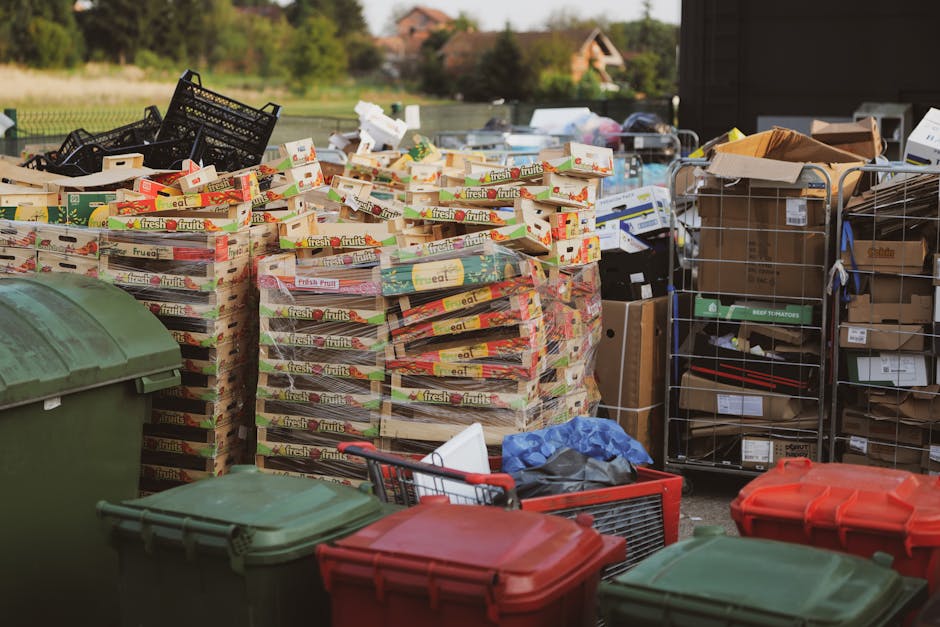
Most disposal problems come from a few very common mistakes. They are easy to make, especially when you are busy, but they are also easy to avoid once you know what to look for.
- Mixing garden waste with general rubbish. This is probably the biggest one.
- Including soil or rubble in green waste. Those materials are handled differently.
- Overfilling bags. Bags split, spill, and become hard to move safely.
- Leaving waste in access routes. Shared entrances, fire exits, and pavements should stay clear.
- Assuming every item can go in the same collection. Some items need specialist handling.
- Using an unlicensed collector. This can create legal and environmental headaches later on.
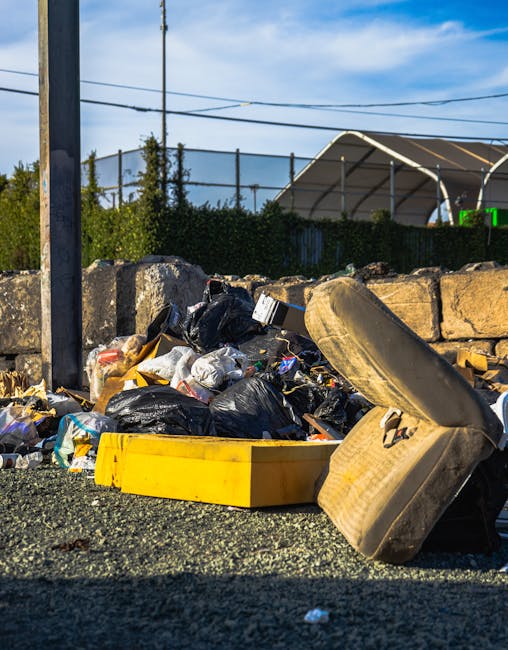
A very normal example: someone trims the hedge, throws in some old flower pots, adds a broken chair, and then wonders why the collection options are suddenly limited. Happens all the time. The solution is not complicated, but it does require a bit of discipline at the start.
For people with larger households or frequent clear-outs, the cheapest route is not always the best route. A safer and more predictable option may be a structured domestic waste collection rather than trying to improvise on the day.
Tools, Resources and Recommendations
You do not need fancy equipment to deal with garden waste and rubbish properly, but a few simple tools make a noticeable difference.
- Sturdy sacks or tubs: useful for leaves, clippings, and light mixed waste.
- Garden shears or loppers: helpful for reducing branch length.
- Work gloves: sensible for sharp twigs, broken terracotta, and rough timber.
- Dustpan and brush: ideal for sweeping up loose soil after loading.
- Tarp or sheet: useful for keeping material together while you sort it.
- Phone camera: surprisingly useful for documenting a load before collection.
For homeowners who want a tidier, lower-stress route, an organised local collection service can be far easier than multiple trips to and from the car. The same applies where the load includes awkward items such as garden furniture or broken outdoor storage. If that is your situation, furniture removal in Haringey can sit neatly alongside garden disposal.
When safety matters, it is worth choosing a provider that explains handling, access, and liability clearly. You can also review insurance and safety information so you know what standards are in place before anyone lifts a thing.
Law, Compliance, Standards, or Best Practice
Waste disposal in the UK is not just a practical task; it is also a compliance issue. The key principle is simple: waste should be transferred to a responsible party, handled correctly, and not dumped illegally. If a collector is taking waste away on your behalf, it is sensible to make sure they are operating lawfully and can explain what happens to the waste afterwards.
That matters because, while residents are not expected to become legal experts overnight, they should still avoid handing waste to someone who cannot show basic compliance. A properly run service should be able to discuss licensing, handling, transfer procedures, and environmental expectations in plain English. If the answer feels vague, that is usually a sign to step back.
Good practice also includes keeping waste separated where possible, reducing contamination, and preventing nuisance to neighbours or passers-by. In shared blocks, this becomes even more important. One untidy pile in a communal area can become everyone's problem, very quickly.
For businesses and landlords, the standard should be even higher. Commercial operators should expect more formal arrangements, clearer documentation, and reliable disposal routes. If you need a structured solution, commercial waste removal in Haringey is the sort of service that can support a more controlled process.
You may also want to check how a provider approaches compliance and licensing through waste carrier licence and compliance. That kind of transparency is not just nice to have. It is reassuring.
Options, Methods, or Comparison Table
Not every disposal problem needs the same solution. Sometimes the simplest route is enough. Other times, the job is too messy, too heavy, or too awkward to manage without help. Here is a clear comparison.
| Method | Best for | Advantages | Limitations |
|---|---|---|---|
| Kerbside collection | Small, clean, correctly prepared household or garden waste | Simple, familiar, usually low effort | Limited flexibility; not ideal for large or mixed loads |
| DIY transport | People with a vehicle and a manageable amount of waste | Direct control over timing | Heavy lifting, multiple trips, disposal restrictions, time-consuming |
| Licensed rubbish clearance | Mixed, bulky, awkward, or time-sensitive waste | Convenient, efficient, often best for access issues | Cost varies by volume and complexity |
| Specialist item removal | Appliances, furniture, or construction-related debris | Handled appropriately for item type | May need separate booking or preparation |
For many people, the best answer is not one method forever. It is a combination. A light pruning job might fit one route, but a garden clear-out after a tenancy change can easily need another. That is normal, honestly.
Case Study or Real-World Example
Take a typical spring clean in a terraced home in Muswell Hill. The garden has a bit of everything: hedge trimmings, weeds, two cracked plant pots, a rusty barbecue, and a few bags of general rubbish from the shed. On paper, it sounds manageable. In reality, once you start carrying it through a narrow side return, it becomes a proper logistical job.
The first instinct is usually to stack everything together and deal with it later. But later is where the trouble starts. The green waste is fine on its own. The barbecue is metal. The pots are broken ceramic. The shed rubbish is mixed household material. If you keep everything separate from the outset, the collection route becomes much clearer and the site stays safer.
In situations like this, people often decide to use a mixed-waste or clearance service rather than making repeated trips. It is especially helpful when time is tight, the weather is poor, or the access route is awkward. A damp Monday morning in London is not when most people want to be dragging branch bundles down a narrow path, let's be honest.
If the same property also had old patio chairs or a collapsed garden bench, it would make sense to combine the job with a broader outdoor clearance or furniture removal in Haringey. That keeps the clear-out efficient and avoids separate arrangements for every item.
Practical Checklist
Use this quick checklist before you put anything out for collection or book a clearance team.
- Have I separated garden waste from general rubbish?
- Is there any soil, rubble, or contamination mixed in?
- Are the bags or bundles light enough to move safely?
- Have I checked access through gates, paths, or shared entrances?
- Do I have any bulky items that need separate handling?
- Have I chosen the right service for the size of the load?
- Do I understand the provider's terms, timings, and payment process?
- Have I kept pavements and fire exits clear?
- Do I need help with recycling or sustainability considerations?
If you are still unsure, it is often worth speaking to a local specialist rather than guessing. A short conversation can prevent a lot of backtracking later. And if you are dealing with a bigger job after builders have been in, builders waste removal in Haringey may be the more suitable route.
Conclusion
Haringey council rules for garden waste and rubbish disposal are much easier to manage once you break them into the real-life decisions that matter: what the waste is, how much there is, how clean it is, and how easily it can be moved. That is the heart of it. Sort properly, keep waste separated, think about access, and choose the method that fits the job instead of forcing the job into the wrong method.
For small household jobs, that might mean careful kerbside preparation. For larger garden clear-outs, mixed waste, or awkward bulky items, it may mean using a licensed, local clearance service that can handle the load safely and legally. Either way, the aim is the same: less stress, less mess, and fewer surprises. Which, if we are being honest, is what everyone wants from rubbish disposal.
If you are planning a tidy-up, a move, or a full garden refresh, start with the waste in front of you, not the guesswork in your head. That usually gets you to the right answer faster than anything else.
Get a free quote today and see how much you can save.