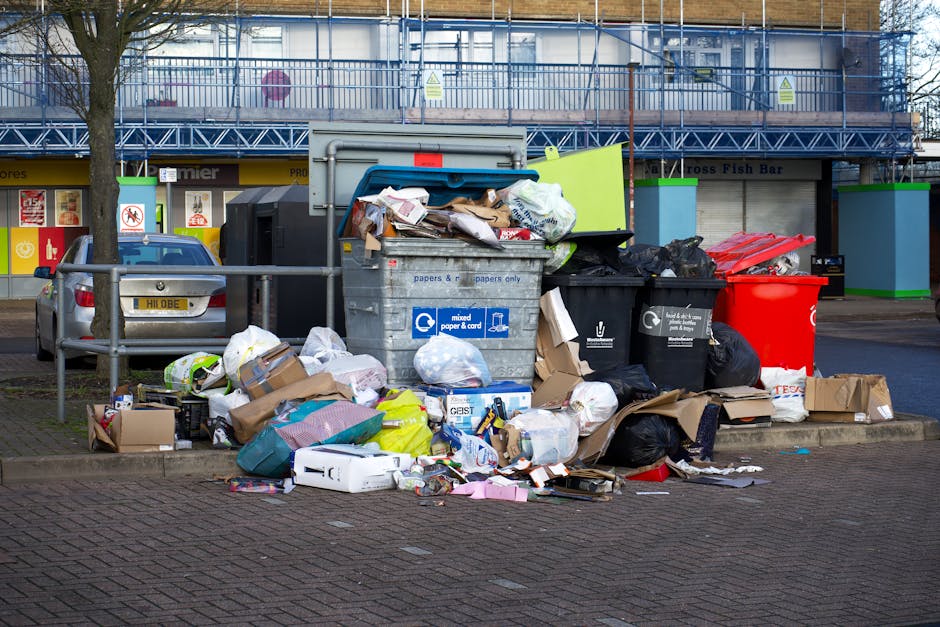
Hornsey Vale Road rubbish collection and recycling Haringey
Posted on 10/06/2026
Hornsey Vale Road rubbish collection and recycling Haringey: a practical local guide
If you live, work, or manage property near Hornsey Vale Road, rubbish has a way of becoming urgent at the least convenient moment. A flat clearance after a move, a pile of garden waste after weekend tidying, a broken appliance that has been sitting in the hallway for two weeks-these jobs are rarely dramatic, but they do need doing properly. This guide to Hornsey Vale Road rubbish collection and recycling Haringey explains how collection works, what to expect, and how to choose the right approach without making a mess of your day.
We will keep it straightforward. You will get the local context, the practical steps, a comparison of common options, and a few things people often overlook until they are standing next to an overflowing bin bag thinking, right, now what?
Why Hornsey Vale Road rubbish collection and recycling Haringey Matters
Rubbish collection sounds simple until you have a real-life pile-up on your hands. On Hornsey Vale Road, where homes, rentals, small businesses, and busy household routines all overlap, waste builds quickly and can affect far more than appearance. It can block access, attract pests, create odour issues, and make a property feel awkward or neglected. That matters whether you are a homeowner, tenant, landlord, or someone preparing a property for sale or let.
Recycling matters just as much. Good sorting reduces what goes to disposal, supports reuse, and usually makes the whole clear-out feel more manageable. In practice, a sensible rubbish collection plan is not just about getting rid of things. It is about deciding what can be reused, what needs specialist handling, and what should be removed as efficiently as possible.
There is also a local angle. Streets close to busier parts of Haringey can have limited space for storing waste, awkward parking, and tighter time windows for loading. That means people often need a collection method that fits around the street rather than forcing the street to fit around the rubbish. To be fair, that is where a lot of the stress comes from.
Practical takeaway: the best rubbish collection approach is usually the one that balances speed, sorting, safety, and compliance. Not the one that looks cheapest at first glance.
How Hornsey Vale Road rubbish collection and recycling Haringey Works
At a local level, rubbish collection usually falls into a few broad categories: everyday household waste, recycling streams, bulky item removal, and larger one-off clearances. The details vary depending on what you are getting rid of, how much there is, and whether the items are recyclable, reusable, or need specialist disposal.
For ordinary domestic waste, people generally rely on scheduled collections and the council recycling system. For bigger or less routine jobs-such as furniture, broken appliances, garden cuttings, or builder's rubble-a dedicated removal service is often the more practical route. If you need a broader overview of what a professional provider can handle, the services overview is a useful place to start.
One of the biggest differences is between waste that can go straight into a mixed load and waste that should be separated. For example, mattresses, wardrobes, white goods, plasterboard, and green waste often benefit from being treated as individual waste streams. That can improve recycling outcomes and reduce the risk of contamination. It also saves time on site because the load is easier to assess.
In real terms, this is how a typical collection tends to go:
- You identify the waste type and volume.
- You decide what can be recycled, reused, or must be removed as general waste.
- You arrange a collection window that suits access on Hornsey Vale Road.
- The team loads the waste safely and sorts it for appropriate processing.
- Recyclable and reusable items are separated where possible, and the rest is handled correctly.
That may sound neat on paper. In the wild, there are usually a few awkward things tucked behind the obvious ones-paint tins, small electricals, mixed materials, or a half-disassembled wardrobe nobody quite remembers buying. Still, a proper collection process handles the odd bits too.
Key Benefits and Practical Advantages
A good rubbish collection and recycling approach brings more than a cleared floor. It gives you back time, reduces risk, and makes the space usable again. That sounds obvious, but the knock-on effect is often bigger than people expect.
- Less clutter, faster progress: When waste is removed in one organised visit, you can get on with decorating, letting, cleaning, or moving.
- Better recycling outcomes: Sorting waste properly gives more items a chance to be reused or recycled instead of being treated as mixed rubbish.
- Safer access: Hallways, driveways, and front gardens stay clear, which matters for both residents and visitors.
- Lower stress during busy periods: Moving house, finishing building work, or emptying a property is enough to deal with already.
- More suitable for awkward items: Bulky furniture and appliances can be handled without relying on multiple trips or a vehicle that is too small.
There is also the quieter benefit: it helps a property feel settled again. A tidy, cleared space changes the mood of a room almost immediately. You notice the light, the floor space, the smell of fresh air instead of old cardboard. Small thing, but real.
If recycling and sustainability are important to you, it is worth using a provider that gives proper attention to reuse and responsible disposal. The recycling and sustainability approach outlines how responsible waste handling should be thought about, not just talked about.
Who This Is For and When It Makes Sense
This kind of rubbish collection is useful for a wide range of people on or near Hornsey Vale Road. Some people need a one-off clearance after a big life event. Others need regular help because their property type, business model, or renovation schedule creates more waste than a standard bin setup can cope with.
It tends to make sense if you are:
- moving in or out of a flat or house
- clearing a rental between tenants
- disposing of old furniture or white goods
- tidying a garden after pruning or landscaping
- clearing builder's waste after renovation work
- emptying a loft, garage, shed, or storage area
- managing waste for a shop, office, cafe, or other local business
There is a difference between "a few bags that can wait" and "this is now in the way of daily life." Once waste starts affecting access, hygiene, or your ability to use the property properly, it is time to deal with it. Truth be told, that point arrives quicker than people think.
For domestic clearances, the domestic waste collection in Haringey page is relevant if you want to understand how home waste can be handled without turning the day into a chore marathon. If the job is larger and includes furniture, then furniture removal in Haringey may be the more suitable option.
Step-by-Step Guidance
If you want the process to run smoothly, a little preparation goes a long way. Most collection issues are not caused by the removal itself. They happen because the waste was not sorted, access was not checked, or someone underestimated the load.
1. Identify the waste properly
Start by separating what you have into rough groups: general household waste, recyclables, furniture, appliances, garden waste, and construction debris. This makes it easier to decide what type of collection you need. It also helps avoid surprises on the day.
2. Decide what can be reused or donated
Some items are simply too good to throw away. A table with a bit of wear, a chair that needs cleaning, or a cupboard in decent shape may still have life left in it. Not everything has to be treated as rubbish. You do not need to become a minimalist overnight, but there is often a middle path.
3. Check access before booking
Look at parking, loading space, stair access, narrow hallways, and any time restrictions on your street. If a collection vehicle cannot park easily, the job may take longer or need extra planning. This is especially important on residential roads where loading space can be tight.
4. Ask about sorting and recycling
A proper service should be able to explain how different waste types are handled. That includes whether materials are separated for recycling, whether certain items need special disposal, and how mixed loads are managed.
5. Prepare the waste for collection
Bag loose rubbish, tape up small sharp items safely, and keep heavy items accessible. If you have dismantled furniture, group the parts together. If it is garden waste, keep it as dry and tidy as possible. Wet green waste is heavier and messier than it looks. Everyone who has ever moved a soggy bag of hedge clippings knows this.
6. Confirm safety expectations
Make sure the team knows about stairs, fragile surfaces, shared entrances, or anything that could affect loading. This is where a little communication saves a lot of unnecessary wobbling and shuffling.
7. Keep paperwork and confirmation details
If you are arranging a professional clearance, keep the quote, service details, and any collection notes in one place. It helps if questions come up later. You will thank yourself for this, probably while holding a mug of tea and waiting for the kettle to boil.
Expert Tips for Better Results
Over time, the cleanest waste jobs tend to have one thing in common: they were planned just enough. Not over-planned, just enough. That sweet spot matters.
- Separate bulky and recyclable items first: It makes the job more efficient and often improves how much can be diverted from disposal.
- Be honest about the volume: Underestimating waste is one of the easiest ways to make the day more stressful.
- Photograph awkward loads: If you are unsure how much there is, a quick set of photos helps clarify the job before collection.
- Keep pathways clear: Hallways, doors, and stairwells should be safe and open before the team arrives.
- Think about timing: If you are clearing a property, choose a time when neighbours, tenants, or other workers are less likely to get in the way.
One small but useful habit: put aside anything you are not fully sure about. Paint, chemicals, sharp metal, and electrical items should never be guessed at. If in doubt, ask before the collection day rather than making assumptions. That is one of those boring pieces of advice that saves real trouble.
If your job involves an appliance, white goods and appliance disposal in Haringey is worth considering, especially where fridges, washing machines, dishwashers, or cookers need to be moved safely and handled properly.
Common Mistakes to Avoid
A few predictable mistakes turn a simple collection into a hassle. The good news is that they are easy to avoid once you know what to look for.
Mixing everything together
When recyclables, garden waste, and general rubbish are all thrown into one heap, sorting becomes slower and less efficient. It may also reduce how much can be recycled.
Leaving the hard bits until the last minute
Paint tins, old electronics, and heavy items are often the things people forget. Then the team arrives, and suddenly there is a second wave of "oh, and also this."
Ignoring access restrictions
If parking is limited or a property has awkward entry points, do not assume it will all sort itself out. It rarely does.
Not checking what is included
Some people assume a service covers every item by default. In reality, specialist waste types may need separate handling. Ask the question. Simple enough.
Choosing only on price
Lower cost can be attractive, especially if you are watching the pennies, but the cheapest quote is not always the best value. Compliance, safety, recycling approach, and reliability all matter.
Tools, Resources and Recommendations
You do not need a toolbox full of specialist kit to organise waste properly, but a few simple tools make life easier.
- Heavy-duty bags: Useful for general rubbish, lighter mixed waste, and smaller recyclable items.
- Labels or marker pens: Handy for sorting loads by category before collection.
- Gloves: Basic protection for handling rough or dusty items.
- Dust sheets or old blankets: Good for protecting flooring during carry-out work.
- Measuring tape: Useful if you are trying to estimate bulky waste or furniture sizes.
- Phone camera: A quick set of photos often makes quoting and planning much easier.
If you want to look beyond the practical basics and understand the broader picture, the about us page is helpful for seeing how a local service frames its approach. For pricing expectations, clear information on pricing and quotes can save a lot of back-and-forth.
Also worth checking: insurance and safety, because moving heavy or awkward waste is not something you want done casually. Even routine jobs deserve a careful process.
Law, Compliance, Standards, or Best Practice
Waste collection in the UK is not just a matter of chucking things into a truck and heading off. There are legal and practical expectations around how waste is handled, who removes it, and where it ends up. You do not need to know every rule yourself, but you should expect the service you choose to operate responsibly and be able to explain its practices in plain English.
One key point is waste carrier compliance. If someone is removing waste professionally, they should be able to show that they are properly set up to do so. That protects you as much as it protects them, because handing waste to the wrong person can cause problems later. The page on waste carrier licence and compliance is a sensible reference point if you want to understand what responsible practice should look like.
Best practice also includes:
- separating waste where practical
- avoiding contamination of recyclable materials
- handling electrical and bulky items carefully
- keeping documentation and service details clear
- using safe loading methods to prevent injury or property damage
For commercial customers, expectations are usually tighter because waste can be generated more frequently and may include mixed materials from offices, shops, or hospitality settings. In those cases, the broader commercial waste removal in Haringey service page is the more relevant fit.
There are also wider ethical considerations. A responsible provider should be able to point to sensible standards on security, fair operation, and respectful conduct. That includes pages such as modern slavery statement, privacy policy, and terms and conditions. Not glamorous, no. But reassuring? Absolutely.
Options, Methods, or Comparison Table
Different waste jobs call for different methods. Here is a simple comparison to help you decide what makes sense for Hornsey Vale Road rubbish collection and recycling Haringey.
| Method | Best for | Pros | Watch-outs |
|---|---|---|---|
| Routine household recycling | Everyday bottles, paper, cans, and standard domestic waste | Simple, familiar, low effort | Not suitable for bulky or unusual items |
| DIY car or van run | Small amounts of loose waste or a few manageable items | Can be flexible if you already have transport | Time-consuming, awkward for heavy items, limited by vehicle size |
| Scheduled bulky collection | Furniture, appliances, or larger domestic items | Good for single items or small batches | May be slower or less flexible for mixed loads |
| Professional waste clearance | Mixed loads, same-day clear-outs, access-sensitive properties, larger jobs | Efficient, sorted, safer, less effort for you | Requires choosing a trustworthy provider |
If the job is dominated by old mattresses, sofas, cabinets, or awkward furniture, then professional house clearance in Haringey or furniture-specific removal can be more practical than piecemeal disposal. For renovation debris, builders waste removal in Haringey is usually the better fit.
Case Study or Real-World Example
Here is a realistic example, the sort of thing that happens all the time. A landlord on Hornsey Vale Road is preparing a one-bedroom flat for new tenants. The previous tenant has left a broken chair, a small wardrobe, two bin bags of mixed rubbish, an old microwave, and a stack of cardboard from a recent delivery. Nothing outrageous. But enough to get in the way.
At first glance, the job looks like it could be done in a couple of car trips. But then the landlord notices the staircase is narrow, the front parking space is tight, and the microwave probably should not be treated like ordinary rubbish. That changes the plan.
A structured collection approach would usually sort the waste into:
- cardboard for recycling
- general rubbish bags
- furniture for separate removal
- the small appliance for proper disposal
The practical result is that the property is cleared in one visit, the hallway is not left blocked all afternoon, and the flat is ready for cleaning and viewings. It is not flashy. Just efficient. And in property work, efficient usually wins.
For people dealing with local property turnover, the surrounding Haringey area often shapes the timing and access issues too. If you are interested in how the neighbourhood works day to day, the article on local opinions on living in Haringey gives a useful sense of the wider area.
Practical Checklist
Use this checklist before your collection day. It keeps things calm, which is underrated.
- Have you listed everything you want removed?
- Have you separated recyclables from general waste where possible?
- Have you identified furniture, appliances, or garden waste?
- Have you checked access, parking, and stairs?
- Have you taken photos of any awkward items?
- Have you confirmed what should not be included?
- Have you put aside valuables and documents?
- Have you cleared the route from the waste to the exit?
- Have you asked about recycling or reuse for suitable items?
- Have you reviewed the quote, timing, and terms?
Quick reassurance: if your load is mixed and a bit messy, that is normal. Most real clearances are. The goal is not perfection; it is a clean, safe, and sensible result.
Conclusion
Hornsey Vale Road rubbish collection and recycling Haringey is really about making waste manageable in a busy local setting. The right approach depends on what you are throwing away, how much there is, and how much time and access you have. For small household waste, ordinary recycling may be enough. For mixed, bulky, or urgent jobs, a more structured collection saves stress and usually leads to better outcomes.
What matters most is using a method that is safe, compliant, and practical for the real world you are in right now. Not the idealised version. The real one, with tight hallways, awkward stairs, damp cardboard, and a kettle that keeps clicking on in the background.
If you take one thing from this guide, let it be this: sort what you can, check access early, and choose the removal method that fits the job rather than forcing the job to fit the method.
Get a free quote today and see how much you can save.
And if you are standing in a room full of bags, boxes, and one mysterious chair that nobody admits owning, take a breath. It does get easier from here.